


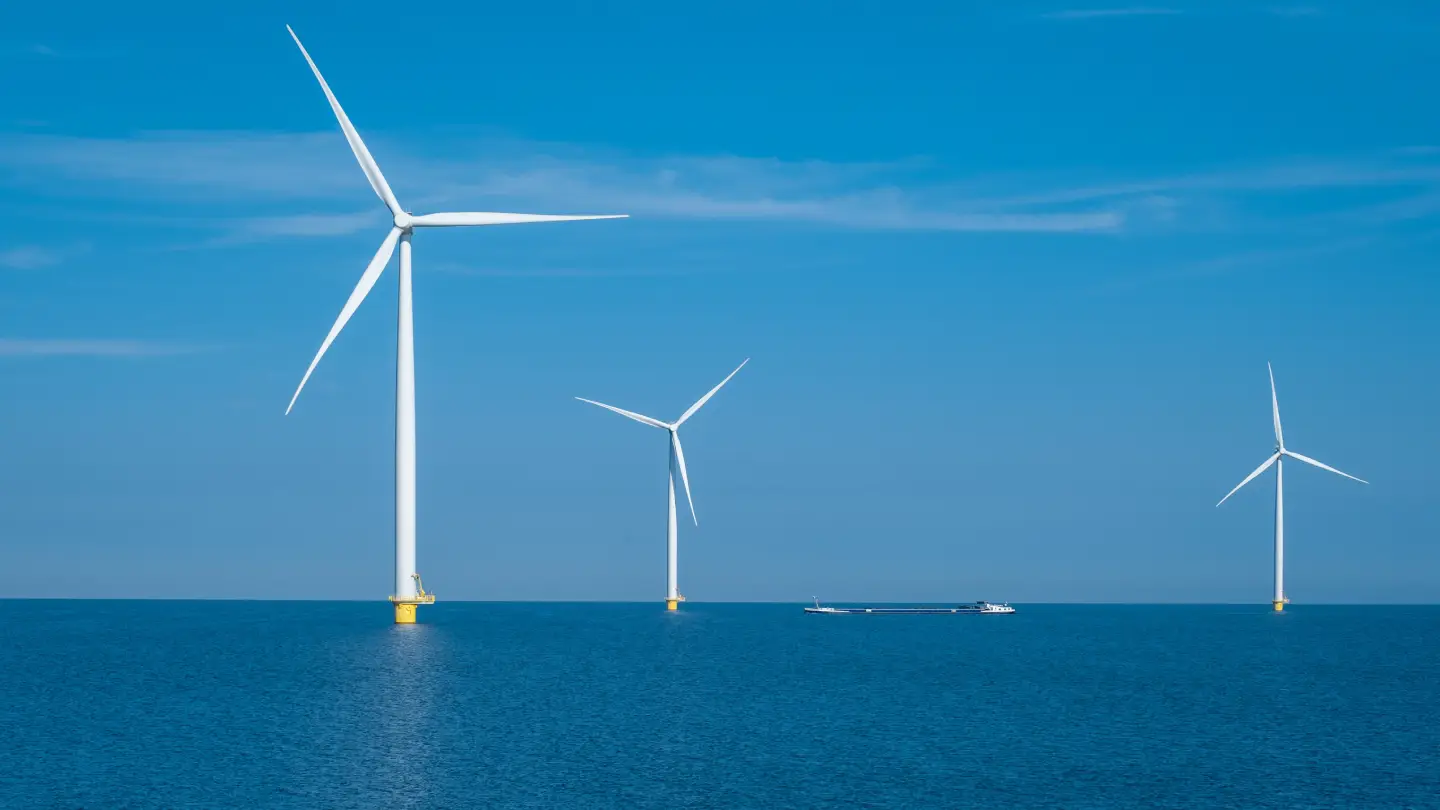
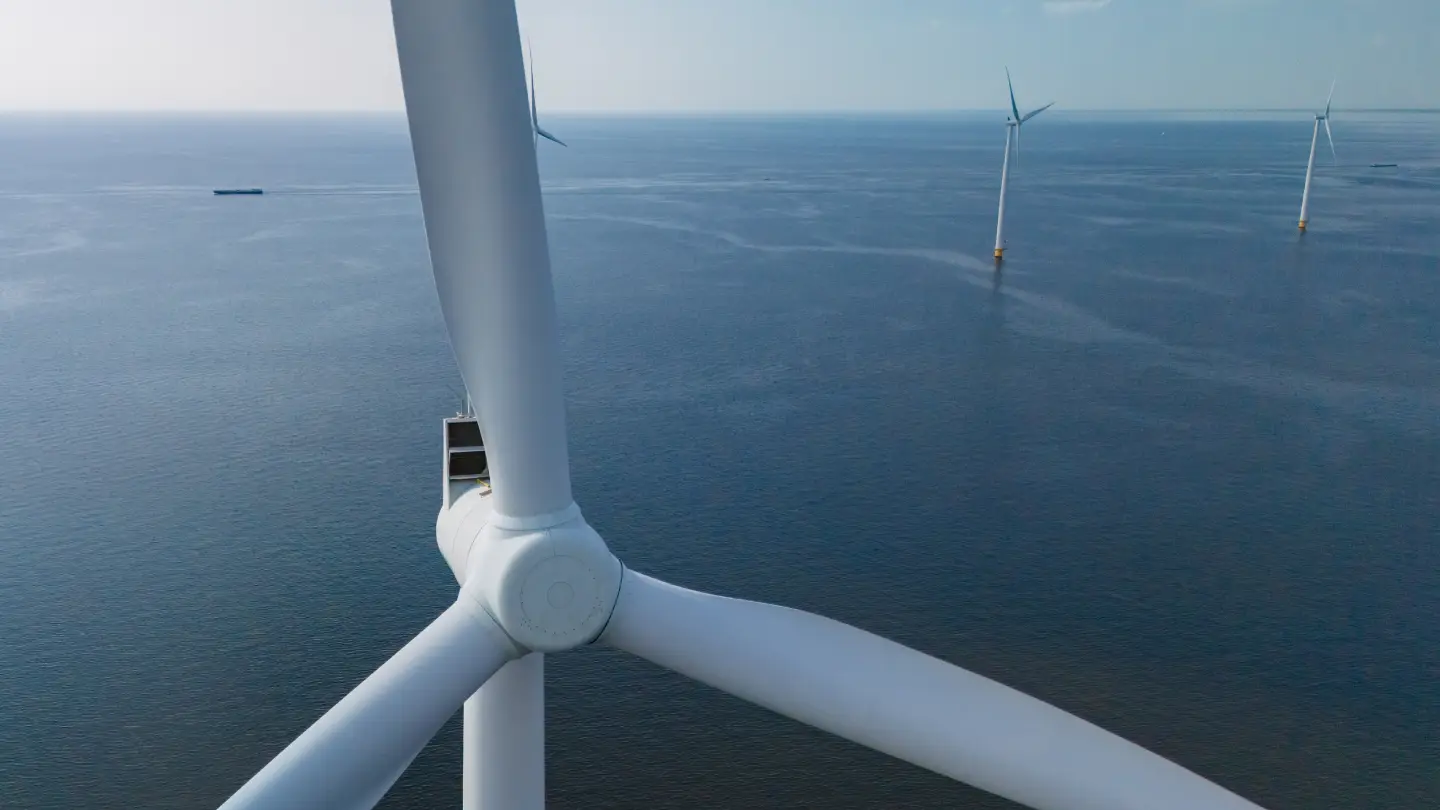
White Cross Offshore Windfarm is a floating offshore wind test-and-demonstration project in the Celtic Sea, designed to deploy up to eight floating wind turbines with a combined capacity of 100MW.
The project is owned by White Cross Offshore Windfarm Limited, a joint entity established by Spanish company Cobra, part of the Vinci Group, and UK-based Flotation Energy.
Recommended White Papers

It is aimed at advancing floating wind technology in UK waters, enabling deployment in deeper locations and providing operational and environmental data to inform future commercial-scale offshore wind developments.
Project Location
The project is located approximately 52km off the North Devon coast in the Celtic Sea. Electricity generated offshore will be transmitted via subsea export cables to a landfall point at Saunton Sands beach.
From there, the onshore cables will be routed underground beneath Braunton Burrows and the Taw Estuary before connecting to a new onshore substation at White Cross, and then into the existing East Yelland substation for integration into the National Grid. The route has been designed to minimise disturbance to sensitive ecological sites.
White Cross Offshore Windfarm Capacity and Infrastructure Details
White Cross will consist of six to eight floating wind turbines, mounted on floating substructures secured to the seabed via mooring lines and anchors.
The total installed capacity of 100MW will be transmitted using subsea export cables, designed for high-voltage transmission.
Onshore works will include underground cable installation and the construction of a new substation at White Cross.
The project design incorporates trenchless installation methods in environmentally sensitive areas, such as the Braunton Burrows Special Area of Conservation and the Taw–Torridge Estuary Site of Special Scientific Interest, to avoid surface disturbance.
Upon completion, the project will generate enough clean electricity to power around 135,000 households.
Development and Timeline
The White Cross Offshore Windfarm’s development began in 2021 when the project was awarded a Test and Demonstration lease by The Crown Estate, subject to a Habitats Regulation Assessment, alongside securing a grid connection agreement with Western Power Distribution into the East Yelland substation and launching its stakeholder engagement programme.
In 2022, environmental surveys continued, a scoping request was submitted to the Marine Management Organisation (MMO), and The Crown Estate commenced the HRA process, supported by public and regulatory consultations.
The offshore planning application, covering floating turbines, substructures, and export cables, was submitted to the MMO in March 2023, followed by the onshore planning application to North Devon Council in September. That year also saw the completion of onshore ground investigations, archaeological trenching, and a floating LiDAR campaign.
In 2024, the Plan-Level HRA was finalised, and further environmental information was submitted to address regulatory requests. In 2025, additional consultations were undertaken before the MMO granted a marine licence and North Devon Council approved the onshore elements.
Detailed engineering and offshore geotechnical surveys are planned for 2025, pre-construction site investigations and consent condition discharges for 2026, commencement of underground cabling works and grid connection in 2027, offshore installation of floating wind infrastructure in 2028, and first power export to the National Grid in 2029.
Technological Details
The White Cross project will deploy floating wind technology suitable for deeper waters, where fixed-bottom foundations are not viable. Each turbine will be supported by a floating substructure anchored to the seabed.
The project has been subject to a full Environmental Impact Assessment, with studies covering marine ecology, seabed conditions, navigation, fisheries, and onshore habitats.
Additional technical submissions have included bat surveys, flood risk assessments, cable burial risk analysis, and coastal erosion modelling.
The use of floating platforms enables installation in areas with higher wind speeds, potentially improving capacity factors compared with nearshore wind farms.
White Cross Offshore Background
White Cross is one of several floating offshore wind projects planned for the Celtic Sea, an area identified by The Crown Estate as a strategic development zone for future UK offshore wind capacity.
The Test and Demonstration projects, including White Cross, are intended to provide operational data, assess supply chain capabilities, and evaluate environmental impacts ahead of larger commercial-scale leasing rounds expected later in the decade.
Floating offshore wind technology is regarded as a key enabler for expanding renewable generation into deeper waters, supporting the UK Government’s target of up to 5GW of floating wind capacity by 2030.
