
All articles by James Varley

James Varley

How small modular reactors are transforming energy systems for data centres
There’s no doubt that data centres represent a source of surging energy demand. A new report argues that matching them with SMRs offers significant advantages to both sectors that could usher in a new industrial age.

Role of stationary lithium-ion batteries in clean energy transition
The energy transition is in many ways a story of the rise of batteries. As noted by the International Energy Agency, delivering climate targets will depend on our ability to scale up battery deployment.
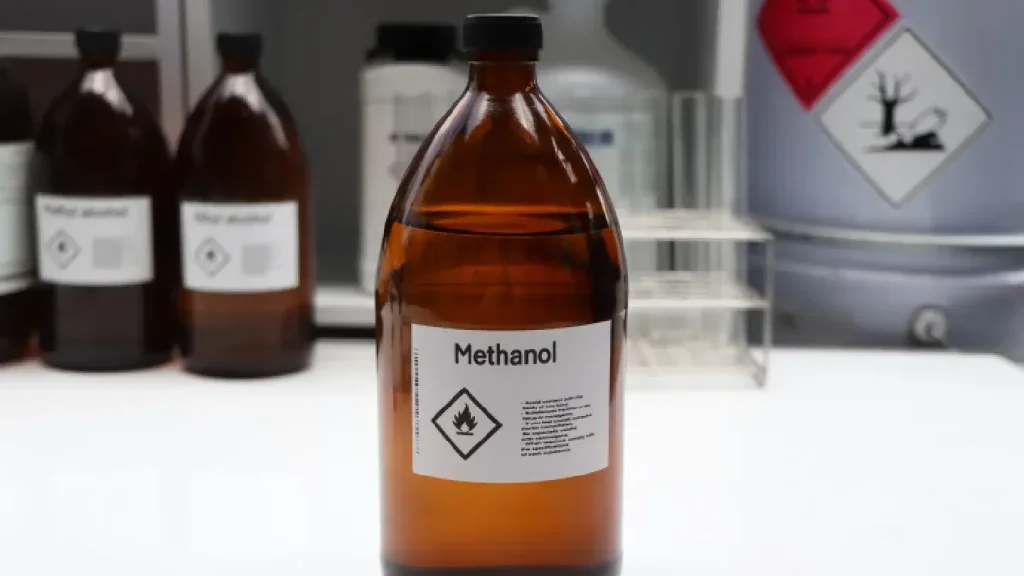
How advancements in methanol technology can drive decarbonisation
Aberdeen based Net Zero Technology Centre (NZTC) and Siemens Energy have again proven the transformative potential of alternative fuels as a means of decarbonisation. The demonstration successfully operated an SGT-A35 gas turbine on methanol, retrofitted with relatively minor modifications, “proving the feasibility of green methanol for decarbonising current infrastructure.”

How Westinghouse’s eVinci microreactor is redefining nuclear energy production
The eVinci microreactor is a 5 MWe package that is expected to deliver a lot of market punch when it begins commercial roll out in just a few years. Westinghouse’s Eddie Saab talks to NEI about realising its ambitious plans.

Insights into INL’s research on nuclear reactor safety and efficiency
For more than 70 years the Idaho National Laboratory (INL) has been at the forefront of reactor research and continues to pioneer novel designs and fuels to power them. Dr Jess C. Gehin, Associate Laboratory Director of Nuclear Science & Technology tells NEI about the cutting edge of nuclear research. By Judith Perera.


Role of hydrogen-fuelled power plants in shaping energy transition future
EET Hydrogen Power, billed as Europe’s first hydrogen-ready combined heat and power plant, is under development in the UK, with FID imminent. To be located at the Stanlow refinery, it would be part of the HyNet cluster. By Rob Wallace, CEO of EET Hydrogen Power

Understanding nuclear energy’s transition from steady supply to dynamic demand
With its low-carbon credentials, nuclear has clear strengths in the emerging energy industry but it has to join forces with complementary sources if it is to win customer business in future.

How amine-based carbon capture solutions can reduce costs for combined cycle power plants
Exhaust gas recirculation, which increases the concentration of carbon dioxide in gas turbine exhaust gas, coupled with a high degree of integration between the combined cycle steam systems and the carbon dioxide capture plant, can greatly improve the economics of carbon capture when applied to natural gas fuelled combined cycle power plants. These measures can also be combined with gas turbine upgrades and advanced control systems (for both gas turbines and capture systems). The end result is the prospect of significant reduction in the size and the cost of the carbon capture systems required for combined cycle applications, with smaller and/or fewer absorber towers, improved power plant efficiency and flexibility, and the potential for increased power output. A FEED study focused on retrofitting post combustion carbon capture to the James M. Barry unit 6 combined cycle power plant in Mobile County, Alabama, USA, has demonstrated these benefits. By Majed Sammak, John Sholes, Parag Kulkarni, Matt Davidsaver, GE Vernova

Insights into innovations in waste treatment and energy generation
It may surprise many that today’s waste to energy (WtE) facilities (also known as energy from waste, energy recovery or incineration plants) are often overlooked in terms of their design excellence, cutting edge technological innovation and the overall environmental benefits they are delivering for communities around the world. But this is an ongoing engineering journey at Kanadevia Inova (previously Hitachi Zosen Inova), with over 90 years in the pursuit of innovation and excellence, and still dedicated to evolving and improving plant design. Put simply, the challenge is ‘how can we make each and every plant component work more effectively, efficiently, and with greater respect to the environment and limited global resources?’ By David Spencer Kanadevia Inova

How Ukrainian power system maintains balance amid ongoing conflict
As the conflict in Ukraine crosses into its third year what lessons can be learned, from the occupation of the Zaporizhia nuclear power plant and how can plans for the future be built and realised?